Why Is Ceramic Coating Better for Protecting Against Boise’s Environmental Challenges?
Ceramic coatings offer protection targeted at the threats Boise drivers face: intense UV, airborne dust, bird droppings, tree sap, and seasonal road chemicals. A bonded, hydrophobic, UV‑resistant layer slows oxidation, makes contaminants easier to remove, and reduces the chance of long-term paint fading or staining. Chemical resistance helps avoid etching from acidic drops, while hydrophobic surfaces limit dirt adhesion. For Treasure Valley vehicles parked outdoors or driven often, these features cut down on heavy cleanings and slow the visual effects of sun and grime.
Common local threats and how coatings respond:
UV exposure: Coatings slow clear coat oxidation and color fading.
Dust and dirt: Hydrophobic surfaces reduce how much sticks and make washes more effective.
Chemicals and bird droppings: Chemical resistance makes acidic contaminants easier to remove with less risk of staining.
Those practical responses come from UV-blocking molecular layers and hydrophobic surface tension, the core mechanisms that make coatings effective in Boise conditions.
Ceramic Coating Shields Against UV Rays and Oxidation
Ceramic coatings contain ceramic-like molecules that help reflect or absorb UV energy, slowing clear coat breakdown and paint oxidation. That barrier reduces sun-driven molecular damage, preserves pigment vibrancy, and helps keep a fresher look over time.
For cars left outside in sunny neighborhoods or lots, this UV resistance can noticeably delay clear coat failure. Regular inspections and maintenance washes keep the coating performing and continue to reduce oxidation risk.
That UV protection works alongside the coating’s chemical resistance to handle road salts and other contaminants.
Ceramic Coating Resists Road Salt, Dirt, and Chemicals
Coatings create a chemically inert, hydrophobic surface that reduces how strongly salts, dirt, and acidic deposits cling to paint. When contaminants do land, they’re easier to rinse off without hard scrubbing. In places that use seasonal road treatments or that get dusty, coatings cut down the contact time between corrosives and your paint.
Prompt cleaning after exposure and using the right cleaning products prevents buildup and helps the coating last.Together, those habits help prevent etching and extend both the aesthetic and protective life of the coating in Treasure Valley conditions.
Aesthetic Benefits of Ceramic Coating Compared to Wax
Ceramic coatings boost gloss and color depth by forming an optically clear, hardened layer that smooths microscopic roughness and improves light reflection, giving a longer-lasting showroom finish than wax. Because the coating resists contamination and oxidation, that shine endures longer without constant re-application. The hydrophobic effect also reduces streaking and water spots, keeping your vehicle cleaner and glossier between washes. If you want a consistent, low-effort finish, coatings deliver a clear aesthetic upgrade. These improvements fall into measurable optical changes and practical cleaning advantages:
Deeper gloss: Bonded coatings smooth tiny surface imperfections for richer reflections.
Longer-lasting shine: Coatings hold their optical qualities far longer than wax films.
Cleaner finish: Hydrophobic surfaces cut down on water spots and streaks after rain or washing.
Those benefits come from the coating’s clarity and durability, which we unpack more below.
Ceramic Coating Enhances Gloss and Paint Depth
Ceramic coating fills microscopic pores in the clear coat and creates a uniform, optically clear surface that reflects light more evenly. That reduces tiny light scatter and produces deeper, more vibrant-looking color. Because the result comes from surface smoothing and longer-term protection from oxidation, the improved appearance lasts much longer than a waxed finish. Before-and-after photos under consistent lighting make this difference easy to see, especially after proper paint correction.
The visual gains depend on good surface prep and the coating’s hydrophobic protection to keep contaminants off the finish.
Hydrophobic Effect and How Does It Simplify Vehicle Cleaning
Hydrophobicity, often called the lotus effect, means water beads up and rolls off the surface, taking loose dirt and contaminants with it. That reduces drying marks, lowers the force you need when washing, and shortens cleaning time. For Boise drivers, hydrophobic properties mean quicker rinse-and-dry cycles and a smaller chance of water spotting after irrigation or storms. Gentle, regular washes keep the hydrophobic behavior working throughout the coating’s life.
These cleaning benefits make a strong case for professional application and careful surface preparation.
What Does Synergy Auto Spa Offer for Ceramic Coating Services in Boise and Treasure Valley?
Synergy Auto Spa is a family-owned, mobile detailing team based in Kuna, Idaho, serving the Treasure Valley. We offer mobile and drop-off ceramic coating services tuned to local climate needs. Our core coating package starting at $649, includes a hand wash, decontamination, paint polishing, and coating application, plus trim, plastic moldings, and headlights. We build custom packages for cars, trucks, boats, and RVs, and Fernando and Jackie, prioritize local know-how and friendly, careful service. For drivers weighing professional options, our mobile convenience and prep-focused approach are practical advantages for long-term protection. Below is a clear summary of what the base package includes and what can change the final price.
Service Component | Attribute | Notes |
|---|
Hand Wash | Included | Gentle, prep-focused exterior wash |
Decontamination | Included | Clay and chemical decontamination to remove embedded contaminants |
Paint Polishing | Included | Paint polishing to remove swirls and prepare surface |
Coating Application | Included | Ceramic coating applied to paint and cured as specified |
Trim & Headlight Coverage | Included | Extended to plastic moldings and headlights |
Pricing | Starting at $649 | Final price varies by vehicle size and paint condition |
This break‑down shows the baseline work and what owners should expect during a professional coating. Our transparent process helps you plan for the job and the cost involved.
Ceramic Coating Packages and Pricing Starting at $649
Our baseline ceramic coating package starts at $649 and includes the full prep workflow: hand wash, decontamination, paint polishing, and the coating application, with extended coverage for trim and headlights. Final pricing depends on vehicle size, paint condition, and whether extra paint correction is needed. You can choose mobile service or a drop-off appointment to fit logistics for cars, trucks, boats, and RVs across the Treasure Valley.
For an exact quote, we recommend an inspection so we can confirm condition-based needs and a timeline.
How Is the Ceramic Coating Applied by Synergy Auto Spa?
Our application follows a professional workflow: careful hand wash, decontamination with clay and chemicals, targeted paint polishing or correction as needed, then coating application with proper curing and quality checks. Paint correction is crucial so the coating bonds to a clean, uniform surface and delivers peak gloss and longevity. We offer mobile application or on-site convenience; drop-off sessions give us full control for indoor curing when needed. Final quality checks verify even coverage across paint, trim, and headlights.
Explaining the steps helps show why professional prep is essential to coating performance and lifespan.
How Should Boise Drivers Maintain Their Ceramic Coating for Maximum Longevity?
Keeping a ceramic coating performing well is a mix of the right wash technique, timely inspections, and occasional professional maintenance. Use pH-neutral soaps, avoid abrasive pads or polishes, and use a wash mitt and a microfiber towel to avoid swirl marks. Regular visual checks and an annual professional inspection will catch trouble spots before they worsen. Follow these habits and your coating will deliver the long-term protection that makes it a cost-effective choice in the Treasure Valley.
Use this washing checklist between professional visits:
Use a pH-neutral soaps: Don’t use harsh cleaners that strip protective layers.
Wash Mitt: Keep grit out of your wash mitt to reduce abrasion.
Dry with microfiber towels: Prevents swirl marks and water spots.
Simple habits like these slow wear on the coating and help keep gloss and hydrophobic performance until your next professional inspection.
Best Practices for Washing and Caring for Ceramic-Coated Vehicles
Best practices include washing with pH-neutral soaps using a microfiber wash mitt, rinsing heavy contaminants before touching the surface, and drying with clean microfiber towels to avoid micro-marring. Avoid abrasive compounds and harsh chemical cleaners that can wear the coating; instead, use maintenance sprays made for ceramic-coated surfaces when needed.
Spot-clean bird droppings or tree sap promptly with recommended decontamination techniques to prevent etching. Consistent, gentle care prolongs both protection and appearance and reduces the need for corrective polishing. These DIY practices pair well with occasional professional maintenance to keep things in top shape.
How Can Synergy Auto Spa’s Maintenance Plans Help Preserve Your Coating?
Our maintenance plans at Synergy Auto Spa include routine professional washes, inspections, and targeted touch-ups to preserve hydrophobicity and gloss. Professional maintenance removes embedded contaminants and monitors coating condition to extend service life. For Treasure Valley owners, an annual maintenance visit lowers the risk of premature wear from local environmental stressors. Booking a maintenance appointment keeps your coating working and protects the investment you made in long-term preservation.
Regular professional care creates predictable upkeep and helps maximize coating longevity.
Is Ceramic Coating Worth the Cost for Boise Area Vehicles?
Yes, when you want durable UV and chemical protection, fewer washes, and sustained shine over multiple seasons, ceramic coating usually pays off for Boise drivers. The higher upfront cost often offsets recurring waxing and frequent corrective detailing, especially for vehicles exposed to sun and airborne contaminants. If you only need a short-term cosmetic boost or are on a tight budget, wax is still an option, but for long-term protection and convenience, ceramic coating typically delivers better overall value.
Consider how often you drive, where you park, and how long you want the protection to last when deciding. That value conversation connects to realistic expectations about light scratch resistance (self healing coating option) and complementary protections.
Can Ceramic Coating Prevent Scratches and Paint Damage?
Ceramic coatings increase surface hardness and help resist minor swirl marks and light abrasions, but they won’t stop scratches or heavy impacts. For high-impact protection, like rock chips or door-edge damage, paint protection film (PPF) is a great solution.
Coatings reduce micro-marring from improper washing and slow chemical etching, but you should still avoid abrasive contact and consider PPF for vulnerable areas. Combining coating with targeted PPF gives layered defense and the best overall protection. Regular, gentle maintenance also reduces micro-scratches and preserves the coating’s benefits.
This shows where coatings fit within a broader protection strategy and why thorough prep matters.
How Long Does Ceramic Coating Last in Idaho’s Weather Conditions?
In Idaho’s climate, ceramic coatings commonly last 2–7 years depending on product grade, application quality, and maintenance. Professional systems perform well for multiple years. Shorter lifespans usually result from poor prep, aggressive cleaners, or skipping routine inspections. Regular professional checkups and gentle at-home care push performance toward the upper end of expected life.
Planning periodic inspections helps you track coating condition and schedule refreshes before performance drops.
Knowing expected lifespan helps you plan financially and logistically for upkeep.
Paint Correction Is Necessary Before Applying Ceramic Coating
Paint correction removes swirl marks, oxidation, and other surface defects so the ceramic coating bonds to a clean, defect-free substrate and delivers the best gloss and longevity. If defects remain, they stay visible under the coating and can affect adhesion, finish uniformity, and warranty eligibility for some products.
Correction adds time and cost up front, but it’s essential for getting the promised protective and aesthetic results. Proper correction followed by careful coating application ensures the surface performs as intended and maximizes your return on investment.
This technical step is one reason professional processes and inspections are important when choosing a coating service.
Ceramic Coating Protects Different Types of Vehicles in Treasure Valley
What is the best coating for your car or vehicle?
Choosing the right package and prep should match the vehicle’s use case. Custom packages that account for surface area, substrate (paint vs. gelcoat), and expected exposure deliver the best results. Synergy Auto Spa offers tailored packages for cars, trucks, boats, and RVs to meet these different needs and logistical constraints. Knowing each vehicle’s risks helps prioritize protections and maintenance schedules in the Treasure Valley.
Below is a quick reference showing vehicle-specific risks and the coating benefits that address them.
Vehicle Type | Main Risks (Boise) | Coating Benefits |
|---|
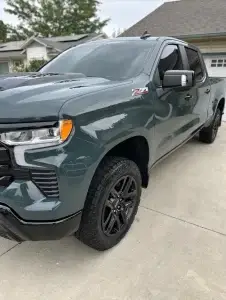
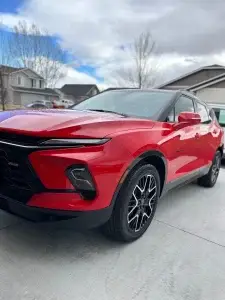
Cars & Trucks | UV, road grime, bird droppings | Long-term UV resistance and easier cleaning |
Boats & Watercraft | Sun, water staining, salt exposure | Hydrophobic protection and reduced gelcoat staining |
RVs & Motorhomes | Large-area UV exposure, road debris | Time-saving cleaning and broad UV protection |
This table helps you see how coatings tackle each vehicle’s top threats and guides package choices based on how you use and store your vehicle.
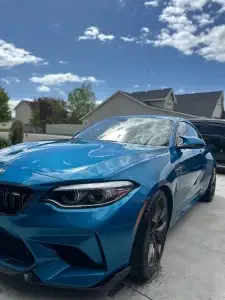
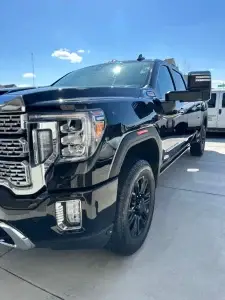
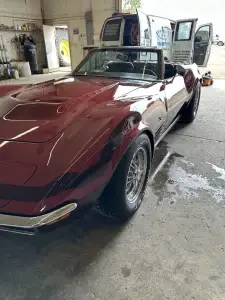
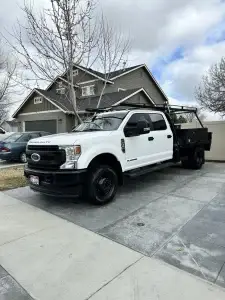
Benefits of Ceramic Coating for Cars and Trucks
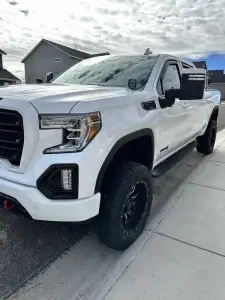
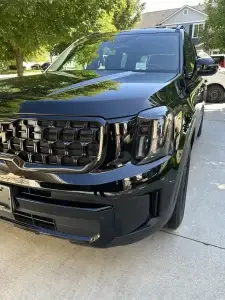
- Cuts routine cleaning time for everyday cars and work trucks
Guards against UV-induced fading to protect paint
Repels common road contaminants, helping preserve resale value
Hydrophobic coating reduces road-grime and grit adhesion on trucks
Daily drivers need fewer deep-detail sessions
Optional paint correction improves final results
Packages can be tailored for show-quality shine or durable, work-ready protection
Vehicle-specific prep and custom packages maximize coating performance
Ceramic Coating Protects Boats and Watercraft from Water and Sun Damage
On boats and watercraft, ceramic coatings reduce water staining, slow gelcoat oxidation from sun exposure, and make post-cruise rinses more effective by preventing stubborn adhesion of organic growth and salt residue. Hydrophobic behavior helps water run off faster, cutting down standing water and mineral spots.
Marine maintenance typically includes more frequent checks after heavy salt exposure and targeted reconditioning to keep hydrophobic properties strong. For seasonal boaters in the Treasure Valley, coatings simplify upkeep and protect surfaces exposed to sun and freshwater.
These marine-focused protections show how coating choice and care differ from land vehicles.
Ceramic Coating Ideal for RVs and Motorhomes
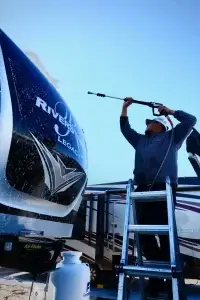
RVs and motorhomes benefit from ceramic coating through reduced cleaning time across large surface areas, stronger UV defense for extended outdoor stays, and easier removal of road film and bug splatter from long trips. Mobile application is especially useful for RV owners because of size and logistics; drop-off options work too when indoor curing is needed. Given the scale of surface area, proper staging and thorough paint correction are critical to avoid visual inconsistencies. The right package balances cost and convenience while giving durable protection for owners who travel and park outdoors frequently.
These practical notes emphasize matching logistics and package design to vehicle size and use to get the best coating performance.
Ceramic Coating vs Wax Final Word
Ceramic coating gives Boise-area drivers strong protection against UV, road contaminants, and the region’s challenging climate—often outperforming traditional wax. With longer-lasting durability and less frequent maintenance, coatings preserve your vehicle’s appearance and can protect resale value.
Choosing a professional service like Synergy Auto Spa ensures the coating is applied correctly and maintained over time. If you want lasting protection and easier upkeep, consider a professional ceramic coating and a maintenance plan tailored to your vehicle.
Frequently Asked Questions